Obstacles for Learning
As opposed to neat and tidy paths, let’s explore when learning design invites us to create meaningful obstacles for our learners.
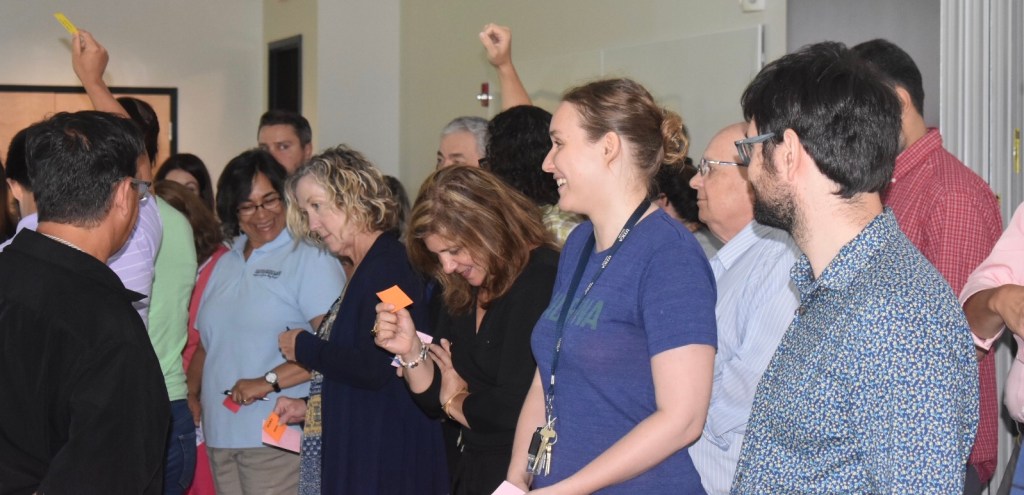
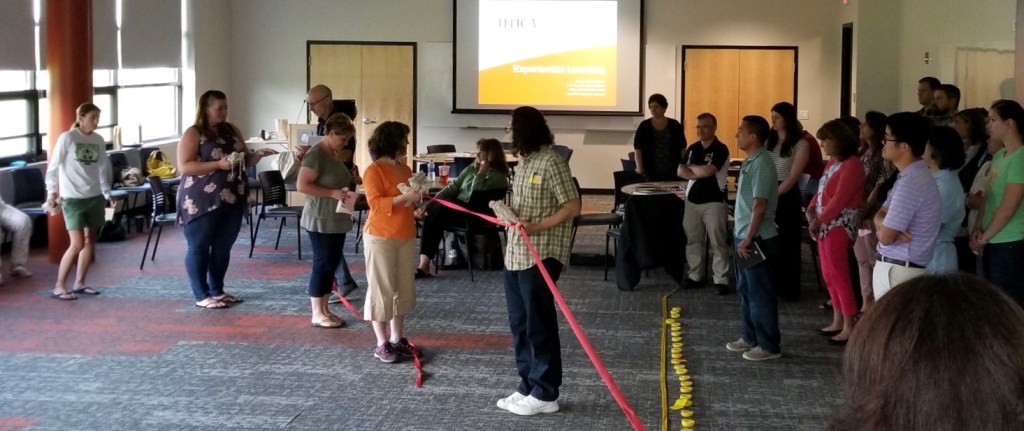
Experience is practical contact with, and observation of, facts or events. Oftentimes, learning design leads us to create neatly packaged lessons that follow predicable, highly directed paths. What about creating obstacles – purposefully – for our learners to navigate?
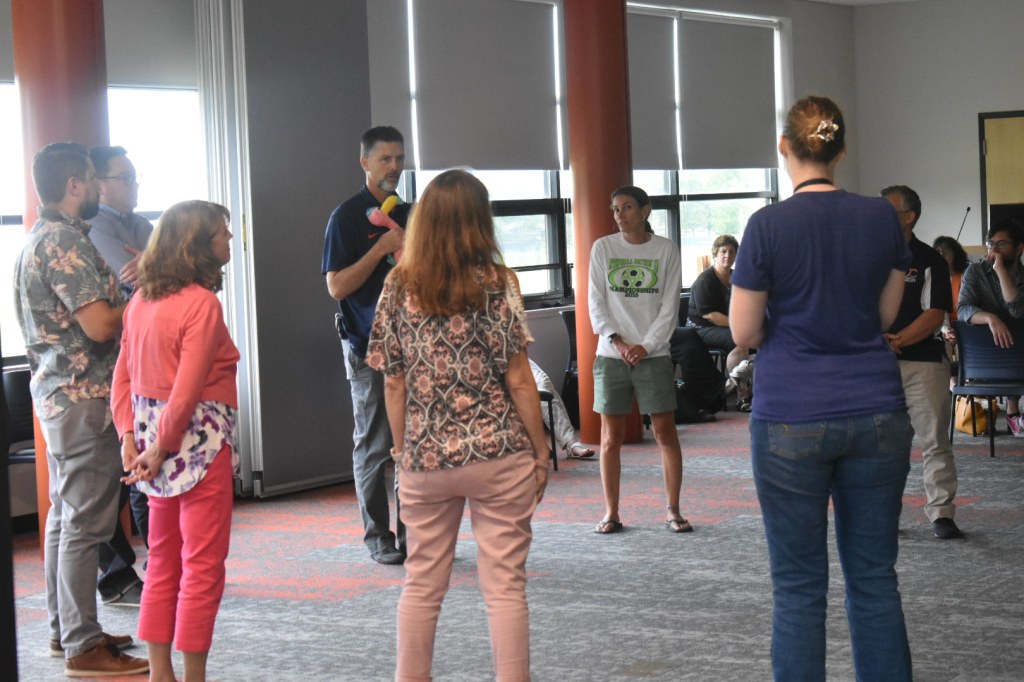
In 2019, a large group of instructors got together for an experiential learning event with the goal of examining how to implement live experiences – big and small – into the classroom.
What if learning meant life or death?
Shad Crowe, Director of Emergency Management, kicked off the event with a situational awareness exercise as he lead us around the building.
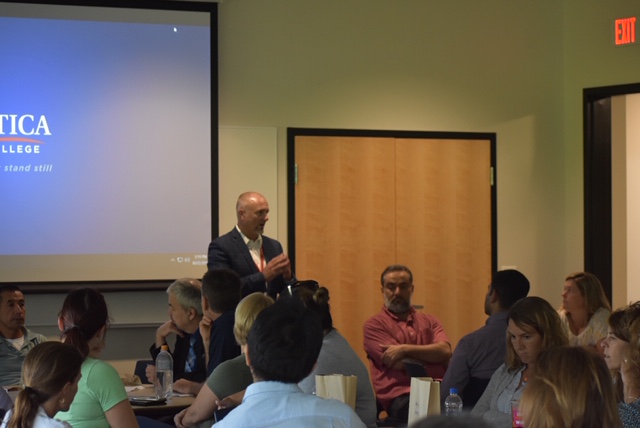
Shad would be running the campus’ largest experiential learning event the following day – a full-scale emergency scenario that deployed college personnel as well as city resources in response to a mock emergency.
Shad’s use of experiential learning ensures a safer campus for everyone.
What if what you don’t know could cost you hundreds of thousands of dollars?
Experiential learning doesn’t have to be authentic to a real-world experience; an instructor can create impact by designing an experience to be immersive in meaningful ways. This economics professor took a basic chart on the principle of compounding and brought it to life for his audience with storytelling, props, and people in the room.
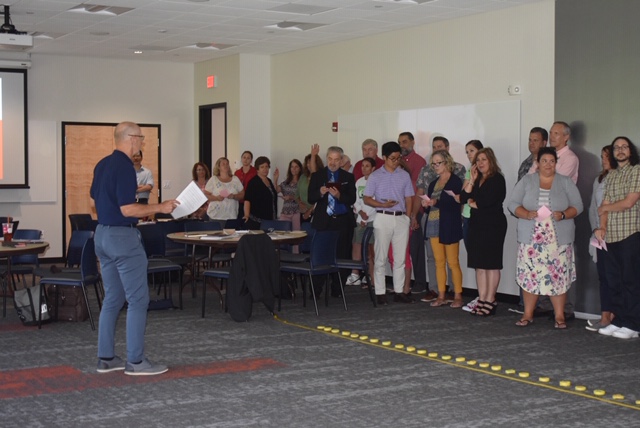
A passerby would have heard the laughter pouring out of the room as Professor Rick Fenner took us through a “This is Your Life” story of personal finance. And one would definitely have heard the groans when a lack of knowledge in compounding cost participants a lot of money in their imaginary retirements.
What if an experience fosters a fun, cooperative learning environment?
Professor Tim Abraham relies on experiential learning all the time in the Adventure Education classroom. With the Experiential Learning Cycle, he can leverage how a variety of experiential learning activities translate into real learning results.
| The Experiential Learning Cycle (Kolb, 2004) should include: Concrete experience (doing/having an experience) Reflective observation (reviewing/reflecting on the experience) Abstract conceptualization (concluding/learning from the experience) Active experimentation (planning/trying out what you have learned). |
Other features of the event included:
- A theme of “A little less conversation, a little more action”
- The Five Minute University
- Using a Bag of Chaos
- Dance your PhD
So helpful and valuable. The session was great and helped bond the faculty attending.
What a great event! I feel so renewed in my teaching.
 TeacherTeacher